THE ADVENTURE COLLECTIVE® · Independent discovery and booking for outdoor travel

Explore Orkney’s major Neolithic sites and dramatic west-coast cliffs on a private half-day from Kirkwall. This compact tour pairs ancient stone circles and a remarkably preserved village with rugged sea-stack scenery and local expertise.
Explore Orkney’s major Neolithic sites and dramatic west-coast cliffs on a private half-day from Kirkwall. This compact tour pairs ancient stone circles and a remarkably preserved village with rugged sea-stack scenery and local expertise.
A cool wind from the North Sea meets the vehicle as it leaves Kirkwall; the guide checks the day’s light and adjusts the route to suit weather and guest interest. In four hours a private tour threads the west-coast cliffs of Yesnaby, the stone-built rooms of Skara Brae, and the ringed silhouette of Brodgar—each stop an abrupt change of scale where rock, sea, and human history press close.
Verified experiences and guided adventures in the surrounding area.
Operated by Opatrip.com Scotland · Kirkwall, Orkney Islands
A cool wind from the North Sea meets the vehicle as it leaves Kirkwall; the guide checks the day’s light and adjusts the route to suit weather and guest interest. In four hours a private tour threads the west-coast cliffs of Yesnaby, the stone-built rooms of Skara Brae, and the ringed silhouette of Brodgar—each stop an abrupt change of scale where rock, sea, and human history press close.
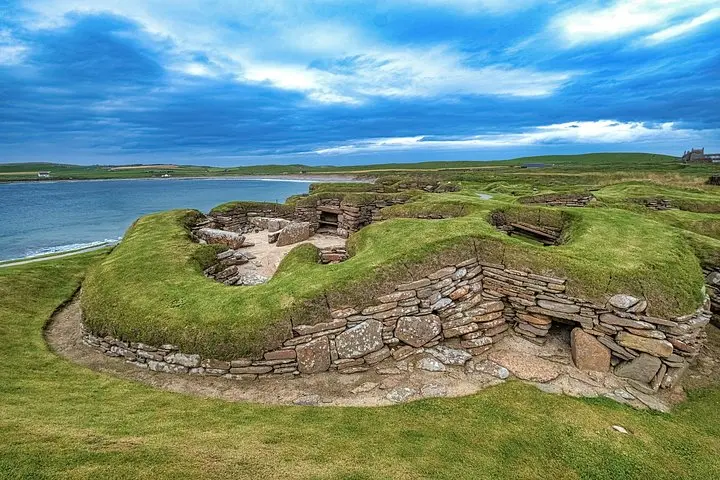
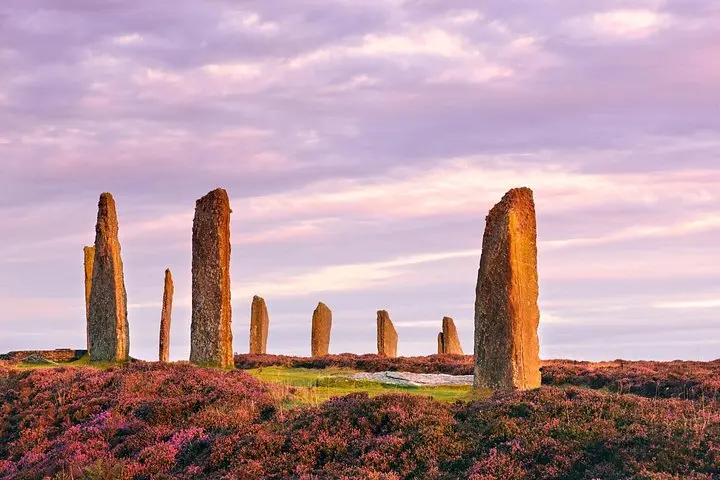
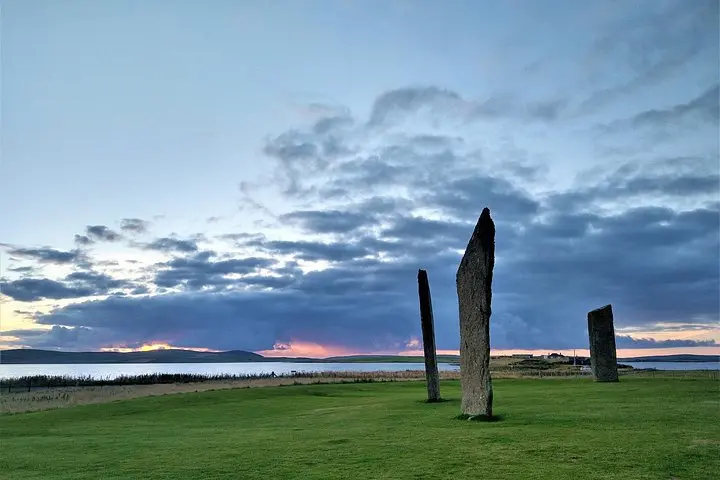
Skara Brae dates to about 3100 BCE and is part of the UNESCO Heart of Neolithic Orkney, offering intact stone houses and built-in furniture that speak plainly of everyday life eight millennia ago. The Ring of Brodgar and the Standing Stones of Stenness are later Neolithic ceremonial landscapes set on low, wind-scoured plains and tidal lochs; their geology is largely Old Red Sandstone and flagstone that fractures into dramatic cliffs and stacks along the shore.
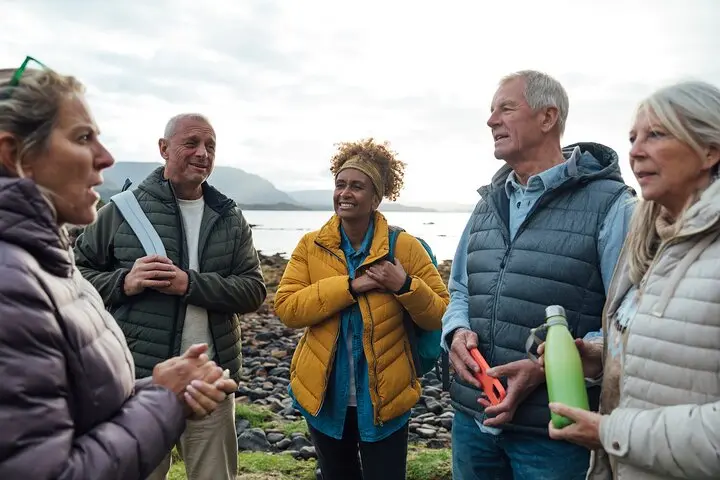
Culturally, Orkney’s stories mix Norse legacy and crofting life; guides typically fold in local place-names and practical notes about tides and bird seasons. Expect short walks on uneven ground, wind-exposed viewpoints, and close-up archaeology with time-limited visits at Skara Brae (advance timed tickets required).
Practical guidance: book Skara Brae tickets before arrival, wear a waterproof layer and sturdy shoes, bring binoculars for guillemots and seals, and allow four hours including round-trip transport from Kirkwall. Weather can change fast—plan buffer time and keep cameras charged; the islands reward flexibility with sudden, unforgettable views.
Yes—Skara Brae uses timed-entry tickets sold on the official Historic Environment Scotland site; purchase them before your tour date.
The tour typically picks up and returns to Kirkwall; exact pickup point is confirmed at booking and can often be adjusted for private groups.
This tour involves short walks over uneven ground and some steps; it’s suitable for many but not for travellers with significant spinal or heart conditions—check with the operator before booking.
The operator may alter the route or cancel for safety in severe weather; the booking notes this tour is non-refundable if cancelled by the guest, though operators may cancel for safety reasons.
Opatrip.com Scotland operates guided outdoor trips and adventures with an emphasis on safety, stewardship, and memorable experiences.
A cool wind from the North Sea meets the vehicle as it leaves Kirkwall; the guide checks the day’s light and adjusts the route to suit weather and guest interest. In four hours a private tour threads the west-coast cliffs of Yesnaby, the stone-built rooms of Skara Brae, and the ringed silhouette of Brodgar—each stop an abrupt change of scale where rock, sea, and human history press close.
A cool wind from the North Sea meets the vehicle as it leaves Kirkwall; the guide checks the day’s light and adjusts the route to suit weather and guest interest. In four hours a private tour threads the west-coast cliffs of Yesnaby, the stone-built rooms of Skara Brae, and the ringed silhouette of Brodgar—each stop an abrupt change of scale where rock, sea, and human history press close.
Skara Brae dates to about 3100 BCE and is part of the UNESCO Heart of Neolithic Orkney, offering intact stone houses and built-in furniture that speak plainly of everyday life eight millennia ago. The Ring of Brodgar and the Standing Stones of Stenness are later Neolithic ceremonial landscapes set on low, wind-scoured plains and tidal lochs; their geology is largely Old Red Sandstone and flagstone that fractures into dramatic cliffs and stacks along the shore.
Culturally, Orkney’s stories mix Norse legacy and crofting life; guides typically fold in local place-names and practical notes about tides and bird seasons. Expect short walks on uneven ground, wind-exposed viewpoints, and close-up archaeology with time-limited visits at Skara Brae (advance timed tickets required).
Practical guidance: book Skara Brae tickets before arrival, wear a waterproof layer and sturdy shoes, bring binoculars for guillemots and seals, and allow four hours including round-trip transport from Kirkwall. Weather can change fast—plan buffer time and keep cameras charged; the islands reward flexibility with sudden, unforgettable views.